Understanding Replica Fashion: Quality, Craftsmanship, and What to Look For
The world of replica fashion has grown considerably over the past decade, attracting curious shoppers who want the look and feel of luxury goods without the steep price tag. From handbags and shoes to watches and clothing, replica items vary widely in how they are made and how closely they mirror their inspirations. This article breaks down what replicas actually are, how quality differs across the market, and what informed buyers tend to consider before making a purchase.
What Does “Replica” Actually Mean?
A replica, in the context of fashion, refers to a product that draws heavily from the design language and detailing of a well-known luxury brand. These items are crafted to resemble the originals in appearance, often replicating stitching patterns, hardware shapes, logo placements, and overall silhouette. The term covers a broad spectrum of goods, and it is important to understand that not all replicas are created equal. Some are produced with careful attention to materials and finishing, while others cut corners at nearly every stage of production.
It is worth noting that the replica market is not a single, uniform industry. Manufacturers range from small workshops producing limited runs to larger operations supplying global online retailers. The motivation for buyers also varies — some are fashion enthusiasts exploring trends, while others simply appreciate a well-crafted accessory at a fraction of the cost of the original.
Key Product Categories in the Replica Market
Replicas span a wide range of product types. Understanding which categories tend to offer better craftsmanship can help buyers set realistic expectations. The most commonly sought-after replica categories include the following:
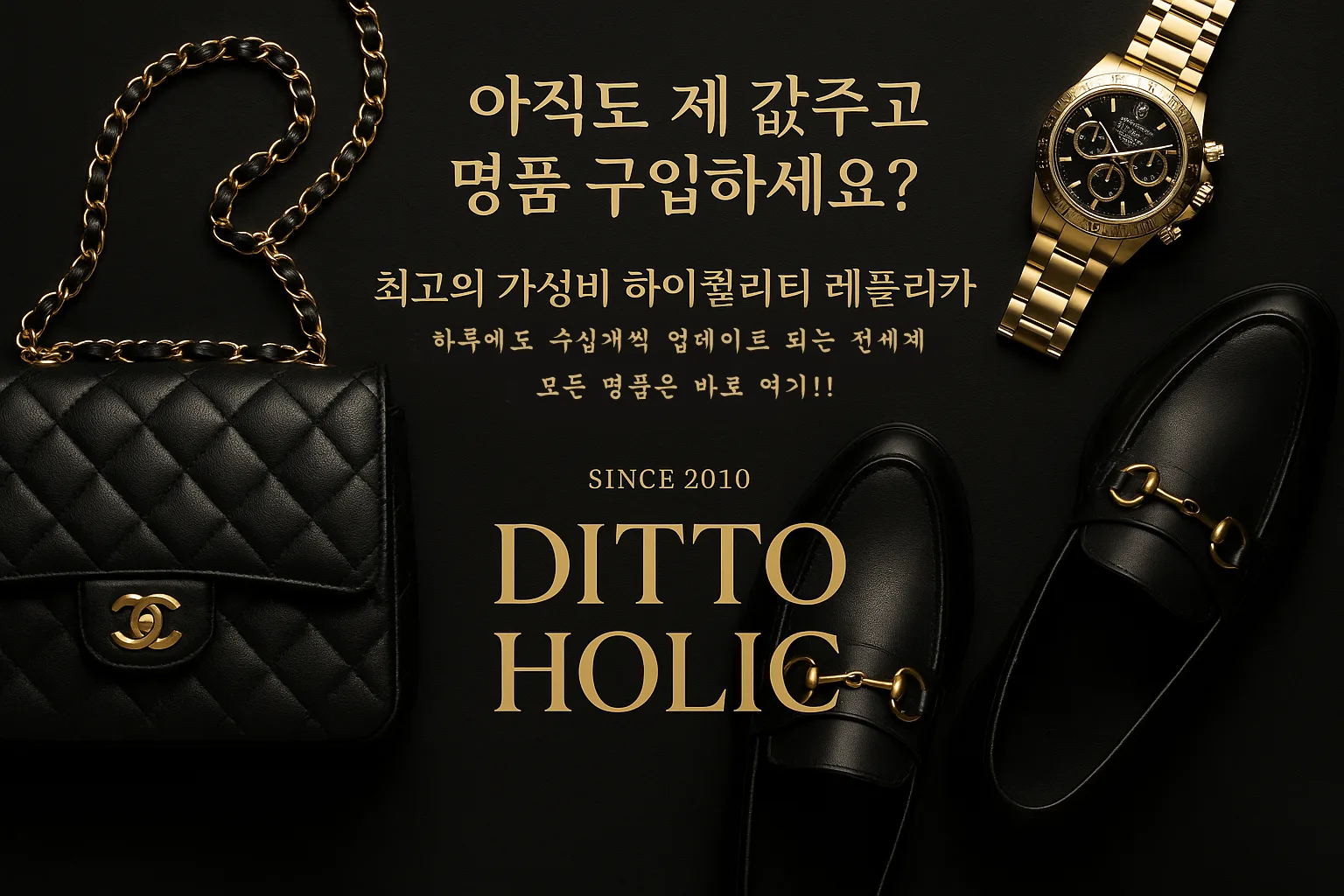
- Handbags: Perhaps the most popular category, replica bags often replicate quilting patterns, chain details, and clasp hardware from iconic luxury houses.
- Watches: Timepiece replicas range from basic quartz models to more intricate pieces with functioning complications, with quality varying dramatically by manufacturer.
- Footwear: Sneakers and loafers are widely replicated, with attention paid to sole construction, material texture, and logo accuracy.
- Clothing and Accessories: Outerwear, belts, and scarves are also common, though fabric quality and finishing tend to differ most noticeably in this category.
How Quality Differs Across Replica Products
Quality is the defining factor that separates a satisfying replica purchase from a disappointing one. When evaluating any 레플리카 item, there are several dimensions worth examining carefully before committing to a purchase.
| Quality Factor | What to Look For | Why It Matters |
|---|---|---|
| Materials | Genuine leather, quality canvas, solid metal hardware | Affects durability and overall feel of the product |
| Stitching | Even, tight, consistent thread lines | Poor stitching unravels quickly and looks unrefined |
| Hardware Finish | Smooth plating, no rough edges, secure fastenings | Hardware is often the first thing to show wear |
| Interior Lining | Clean seams, branded or neutral fabric, functional pockets | Reveals overall manufacturing care and attention |
What Buyers Should Keep in Mind
Shopping for replica goods requires a level of research that many first-time buyers underestimate. Reading detailed product descriptions, examining close-up photographs, and understanding a seller’s return policy are all practical steps. Buyers who take the time to compare options across multiple sources tend to come away more satisfied with their choices.
It is also sensible to manage expectations. Even a high-quality replica will not be identical to the original in every way. The goal for most buyers is not perfect replication but rather a product that looks polished, feels sturdy, and holds up well over time. Keeping that perspective makes the experience far more enjoyable and less likely to lead to frustration.
Final Thoughts on Navigating the Replica Market
The replica fashion market is complex, layered, and constantly evolving. New products appear daily, quality benchmarks shift, and buyer communities actively share reviews and recommendations online. For anyone approaching this space for the first time, patience and careful research are the most valuable tools available. By focusing on material quality, construction details, and seller transparency, shoppers can find pieces that genuinely satisfy — and that remain part of their wardrobe for years to come.